
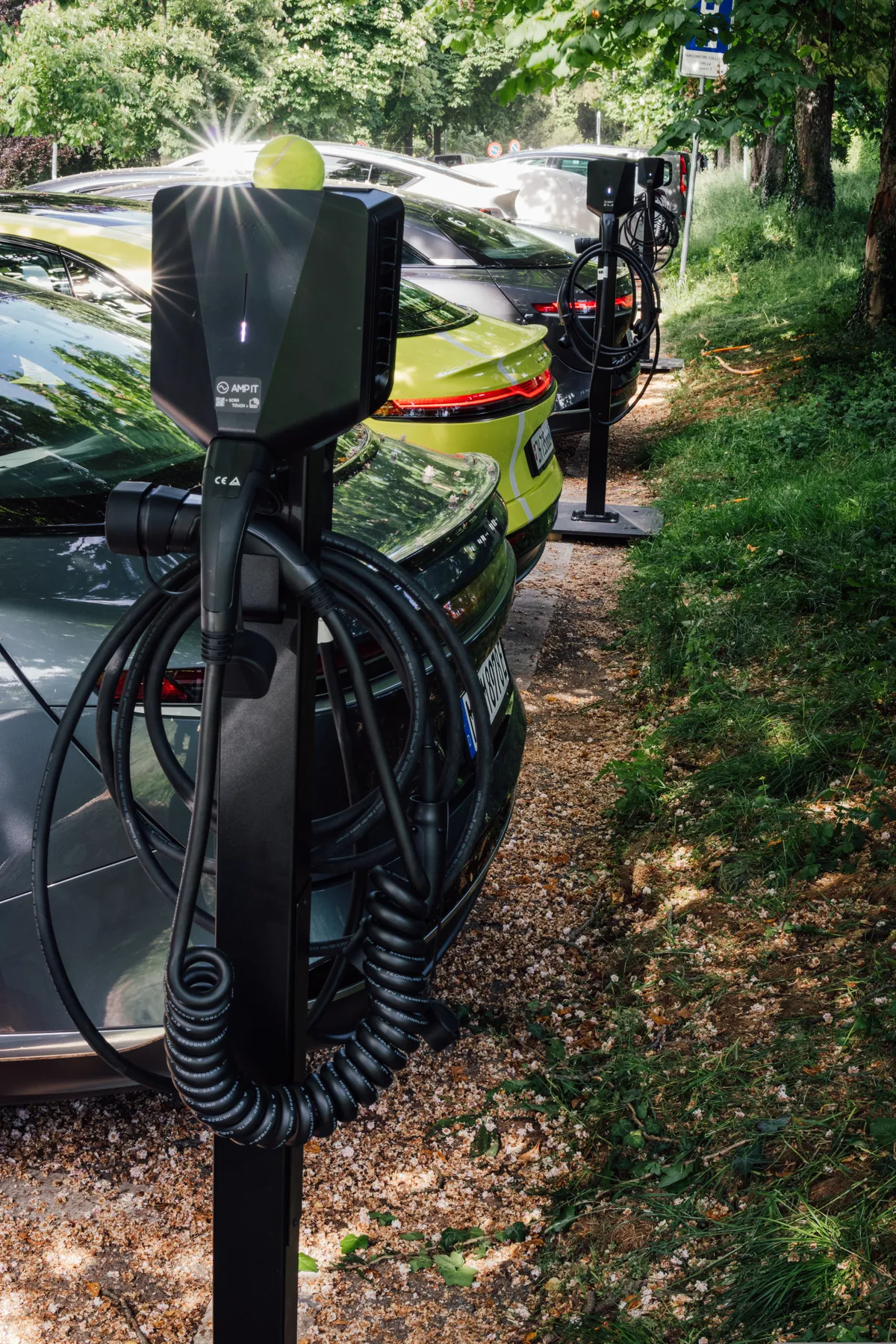
Electric mobility (e-mobility) contributes to a more sustainable future by offering efficient transport powered by renewable electricity. It is one of the fastest-growing sectors.
Let's take a closer look at what electric mobility is.
What does electric mobility mean?
Electric mobility, or e-mobility, refers to all means of transport powered by electricity. This includes electric vehicles as well as the companies that build the necessary infrastructure to charge these vehicles.
Electric mobility is essential for reducing carbon emissions, as it decreases the use of fossil fuels, thereby reducing CO2 emissions, and consequently helps in the fight against climate change.
Environmental impact
Today, the transport industry produces 25% of the total CO2 emissions in the EU, making electric mobility a key element in protecting our planet.
What is an electric vehicle?
An electric vehicle uses electric propulsion instead of a combustion engine, thereby reducing its CO₂ emissions.
Electric mobility covers much more than just cars. It includes the entire mobility sector, from buses, trucks, and trains to electric bicycles, electric motorcycles, and scooters. Any type of transport can become more sustainable, contributing to the transition of our economies towards renewable energy sources.
How do electric vehicles work?
There are several types of electric vehicles:
- Battery Electric Vehicles (BEV): They produce no exhaust emissions and significantly reduce the use of fossil fuels.
- Hybrid Electric Vehicles (HEV): They combine an electric motor with a combustion engine. The battery can be recharged by the engine and through regenerative braking.
- Plug-in Hybrid Electric Vehicles (PHEV): They are hybrid but can be plugged in and recharged like a BEV.
- Range Extender Electric Vehicles (REEV): These are electric vehicles with a small engine acting as a generator, thereby extending battery life for long journeys.
Hybrid vehicles make it possible to reduce emissions adaptively, especially for individuals or companies located in rural areas with limited access to public charging stations. Hybrid technology also represents a first step towards electric propulsion in the maritime sector, offering reliable power for long voyages.
With so many choices available, everyone can find a suitable option, which has led to a significant increase in sales of electric and hybrid cars.

Watch this video for a useful overview: All about electric cars.
What is electric car charging infrastructure?
Electric car charging infrastructure includes private charging systems and public networks created to meet the growing demand for charging.
Each electric vehicle needs access to electricity, whether at home, at work, or on the road. Unfortunately, the lack of charging stations can make long journeys impossible, and some regions may be completely disconnected from electric mobility solutions.
The good news?
It's now easier than ever to install charging stations in key locations, such as residences, workplaces, shopping centers, cinemas, and sports facilities. A TCS study shows that the availability of charging stations is the key factor encouraging drivers to opt for electric vehicles.
Better accessibility allows for longer journeys and more frequent intercity travel. With the right infrastructure in place, electric mobility will be accessible to everyone.
Charging is now faster and uses smart management tools. These tools can automatically track important data, such as energy consumption and costs, allowing companies to easily manage multiple vehicles and stations.
Examples of companies in the electric mobility sector
Many electric mobility companies and services operate in the industry, creating an efficient network where each company plays a key role in facilitating charging accessibility.
Automakers
Automakers are the most well-known. Tesla is famous for its all-electric cars as well as its Supercharger network, but other well-known brands, such as Nissan, General Motors, and BMW, also offer electric vehicles. Volvo has even developed electric buses for public transport in cities.
Location services
However, every electric vehicle requires additional services to be more accessible. For example, some electric mobility services help consumers easily locate charging points, such as the Move and SwissCharge apps, designed to facilitate EV drivers' access to public charging stations.
Urban mobility
Lime and Uber are two examples of companies offering electric mobility solutions to pedestrians in cities, with electric bikes and scooters available for rent via an app allowing users to easily find and rent the nearest mode of transport.
What are the main advantages of electric mobility?
Electric mobility offers numerous advantages, both for the consumer and for society as a whole. It protects the planet with cleaner air and offers greater freedom of movement for people worldwide – essential for decarbonizing the mobility industry.
- Clean solutions: Electric cars emit fewer greenhouse gases, helping to mitigate climate change. It is estimated that a vehicle's emissions decrease by 73% each year.
- A healthier world: Cleaner air creates a healthier environment. Worldwide, 99% of people breathe air of lower quality than WHO standards, making electric mobility vital.
- Reduced noise pollution: The European Environment Agency found that 95 million people are exposed to noise pollution from road traffic. Quieter electric vehicles reduce this noise pollution and improve well-being.
- Savings: Electric vehicles are cheaper to run. The Energy and Climate Intelligence Unit found that EV drivers can save up to 800 CHF per year.
- Clean energy needs electric mobility: Wind and solar capacity are expected to double by 2028. Already equipped with advanced electric motors, EVs can run entirely on renewable energy.
What is the future of electric mobility?
The electric mobility sector is progressing rapidly. Significant investments predict growth in electric vehicle production, including cars, trucks, and buses – a key element of the Net Zero target by 2050.

(IEA, Electric vehicle sales by region and scenario, 2030 and 2035)
Maritime and rail transport
To manufacture larger electric vehicles, such as ships, more powerful and durable batteries are needed. Norway has already deployed a fleet of electric ferries for short distances. With technological advancements, long-distance transport will become possible, helping to make navigation more sustainable.
Urban public transport
In Europe, 42% of buses registered in 2023 were electric. Even London, one of the busiest cities in the world, has deployed 1397 electric buses. With better access to trains and electric taxis, cities will benefit from reduced air pollution, offering fast transport to pedestrians without needing a personal car.
This is a future already in motion.
How to access electric mobility today
Electric mobility is more accessible than ever, with a multitude of options available to consumers.
Our company, AMP IT, offers easy electric vehicle charging solutions for businesses and individuals. Ideal for current or future EV drivers, our solutions adapt to your needs, from installation to maintenance.
| Sector | Available solutions | Advantages |
|---|---|---|
| Residential | Domestic AC charging stations, wallbox | Overnight charging, savings |
| Commercial | Company car park charging stations | Employee benefit, sustainable image |
| Public | Fast DC charging stations, extensive network | Accessibility, long-distance travel |
| AMP IT | Turnkey solutions | Complete installation + maintenance |
Conclusion
Electric mobility represents the future of sustainable transport. With clear environmental, economic, and social benefits, it is an essential solution for reducing our carbon footprint while offering an improved transport experience.
Charging infrastructure continues to develop rapidly, making the transition to electric more accessible than ever. AMP IT supports this transition by offering personalized and professional solutions for all types of users.